

reflective glass supplier
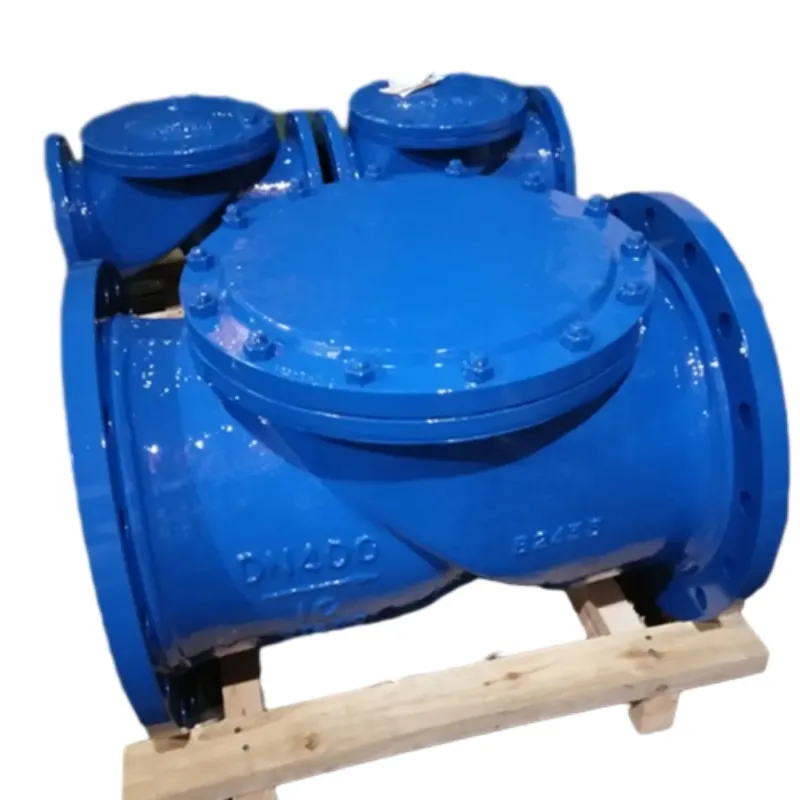
Understanding the 2-Inch Check Valve Importance, Functionality, and Applications The 2-inch check valve is a critical component in many fluid systems, serving as a simple yet effective solution to prevent backflow. This essential mechanical device is designed to allow fluid to flow in one direction only, ensuring that systems operate efficiently and safely. What is a Check Valve? At its core, a check valve is a type of flow control device that opens with the forward flow of fluid and closes when there is a reverse flow. The mechanics behind this operation rely on the valve's internal components, which typically include a disc or ball that moves within the valve body. When fluid pressure is applied from one side, the valve opens, allowing the fluid to pass through. Conversely, if the pressure decreases or reverses, the valve closes, effectively preventing backflow. Why Choose a 2-Inch Check Valve? The size of the valve, in this case, 2 inches, denotes the diameter of the pipe it connects to. This size is suitable for various applications, particularly in residential and light industrial contexts. It strikes a good balance between flow capacity and space efficiency, making it a popular choice for plumbing, sewage systems, and irrigation setups. Key Features and Benefits 1. Preventing Backflow The most significant advantage of a check valve is its ability to prevent backflow, which can cause contamination, equipment damage, and system inefficiencies. In applications where fluids need to remain uncontaminated—such as potable water systems—the 2-inch check valve becomes indispensable. 2. Maintenance-Free Operation Typically, check valves require minimal maintenance, as they are designed to be self-activating. This simplicity reduces operational costs and minimizes downtime, allowing systems to run smoothly without frequent checks. 3. Versatile Applications The 2-inch check valve can be used in various scenarios. From irrigation systems that require water to flow in one direction to HVAC systems and industrial processes that need to pump fluids efficiently, this valve's adaptability makes it a valuable asset across industries. 2 inch check valve 4. Durability Many 2-inch check valves are made from durable materials such as brass, stainless steel, or PVC, which can withstand corrosive fluids and high temperatures. The choice of material will often depend on the specific application and the fluid being handled. 5. Easy Installation The installation of a 2-inch check valve is generally straightforward. It can be fitted inline in existing piping systems, and with their common size, they are compatible with various fittings and fixtures. Applications in Different Industries 1. Water Supply Systems In municipal water supply and sewage systems, 2-inch check valves help maintain pressure and prevent back-siphonage, ensuring clean water delivery to homes and businesses. 2. Agriculture In irrigation systems, these valves are essential for ensuring that water only flows to areas that need it, helping to conserve water and maximize agricultural efficiency. 3. Industrial Processes Many industrial operations utilize check valves to regulate the flow of liquids in manufacturing processes, often dealing with hazardous materials where preventing backflow is critical for safety. 4. HVAC Systems In heating and cooling systems, check valves ensure that refrigerants and water circulate correctly to optimize system performance. Conclusion The 2-inch check valve plays a vital role in numerous applications, vital for ensuring system efficiency and safety. By understanding its function and benefits, industries can make informed decisions to enhance their fluid management systems. Whether in residential plumbing, agricultural irrigation, or complex industrial processes, a reliable check valve is essential for robust and sustainable operation.
about
reflective glass supplier
Understanding Threaded Ground Anchors Applications, Benefits, and Installation Threaded ground anchors, also known as helical anchors or screw anchors, have gained significant popularity in various civil engineering and construction applications. These innovative foundation solutions provide a reliable means of anchoring structures in a diverse range of soil conditions, thanks to their unique design and functionality. In this article, we will explore the key concepts surrounding threaded ground anchors, their benefits, and the installation process involved. What Are Threaded Ground Anchors? Threaded ground anchors are cylindrical steel shafts with helical fins (or blades) attached to their length. This design allows them to be screwed into the ground, transferring tensile and compressive loads to the soil effectively. The anchor's helical shape facilitates easy penetration into the ground, making installation quicker and less disruptive than traditional foundation methods. Applications of Threaded Ground Anchors These anchors have a wide array of applications across various sectors 1. Residential Construction They are often used in residential projects for house foundations, where they provide critical stability, especially in areas with expansive or unstable soils. 2. Commercial Projects In commercial construction, threaded ground anchors help secure structures such as signs, fences, and retaining walls, offering a robust solution to minimize settlement and movement over time. 3. Seismic and Wind Load Resistance Buildings in seismic zones or areas prone to high winds can benefit significantly from these anchors. They help in stabilizing structures by anchoring them firmly to the ground. 4. Slope Stabilization In geotechnical engineering, threaded ground anchors are used to stabilize slopes, hillsides, and embankments, preventing erosion and landslides. 5. Marine and Waterfront Applications In marine environments, they can be utilized for mooring systems and stabilizing structures against water erosion. Benefits of Threaded Ground Anchors There are several advantages that threaded ground anchors offer - Ease of Installation The installation process is typically quick and requires less heavy machinery compared to traditional methods. They can be installed in restricted spaces with minimal disturbance to the surrounding area. threaded ground anchors - Versatility These anchors can be used in various soil types, ranging from soft soils to solid rock, making them adaptable to different project requirements. - Cost-Effectiveness Their efficiency in installation can lead to significant cost savings, reducing labor and equipment expenses. - Load Capacity Threaded ground anchors have high load-bearing capacities and can be designed to handle specific loads, ensuring safety and compliance with engineering standards. - Minimal Maintenance Once installed, these anchors typically require little to no maintenance, provided that they are properly engineered and installed. Installation Process The installation of threaded ground anchors generally involves the following steps 1. Site Assessment A thorough site assessment is conducted to determine soil conditions and report any local regulations or requirements. 2. Design Implementation Based on the assessment, engineers design the anchor system appropriate for the project's specific load requirements. 3. Installation Using hydraulic machinery or hand-operated equipment, the threaded ground anchor is screwed into the ground to the required depth. 4. Testing After installation, load testing may be conducted to ensure the entire system meets safety specifications and design standards. 5. Final Adjustments Any necessary adjustments are made, and the site is prepared for the next phase of construction. Conclusion Threaded ground anchors represent a modern solution for foundation stability in varied applications. Their myriad benefits, including adaptability to different soil conditions, ease of installation, and cost-effectiveness, make them an ideal choice for engineers and contractors alike. As construction technology continues to advance, the role of threaded ground anchors as a fundamental anchoring solution in engineering projects is set to expand.
-

High quality industrial productsagement

High quality industrial products
View Details -

Meet the diverse needs of customers

Meet the diverse needs of customers
View Details -

Strict quality control

Strict quality control
View Details -

Top raw materials

Top raw materials
View Details -

Trusted supplier

Trusted supplier
View Details
Our application
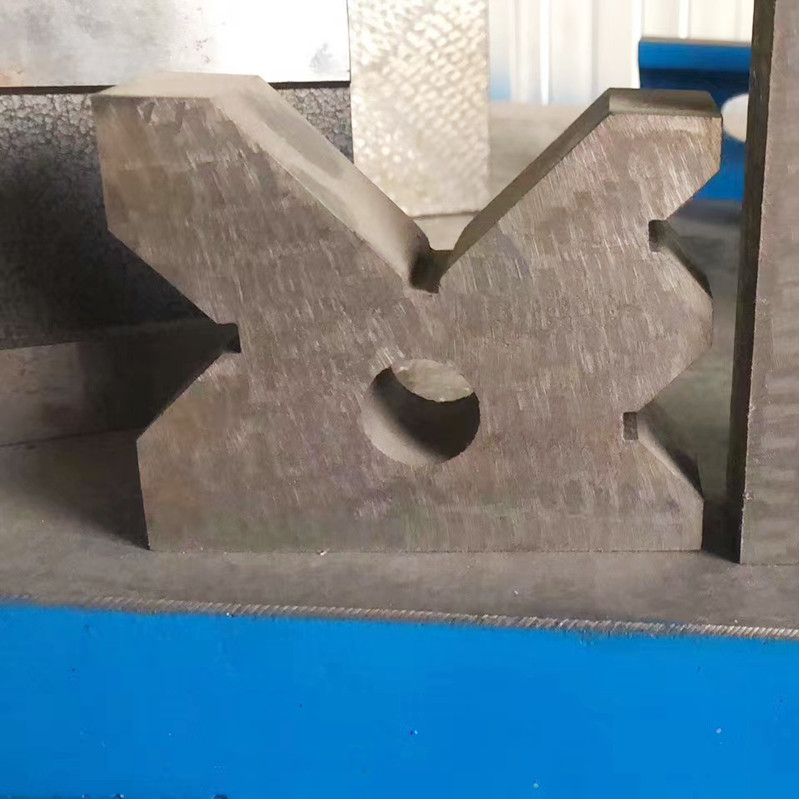
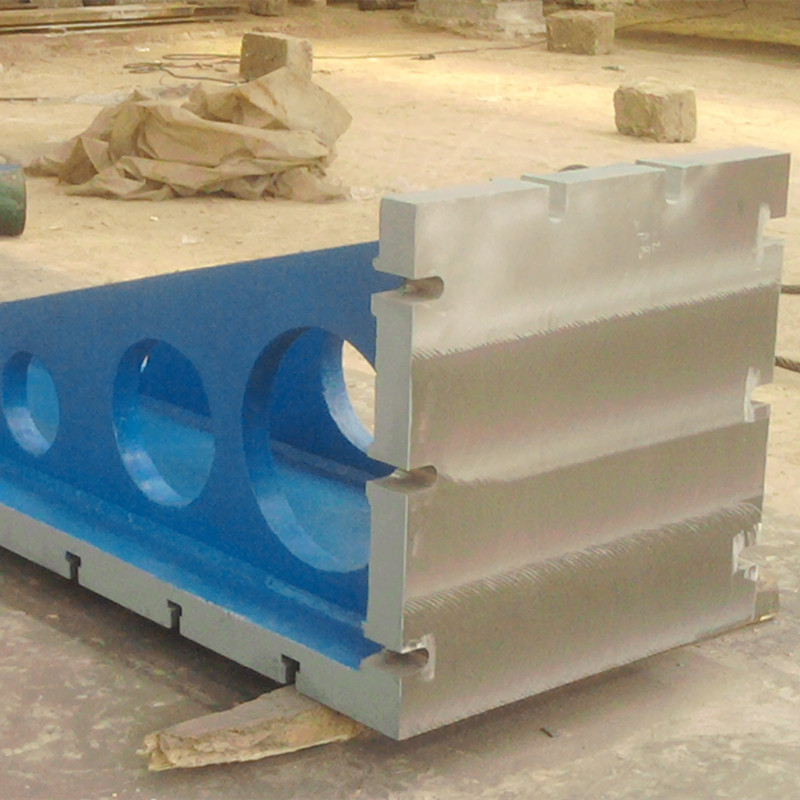

news and information
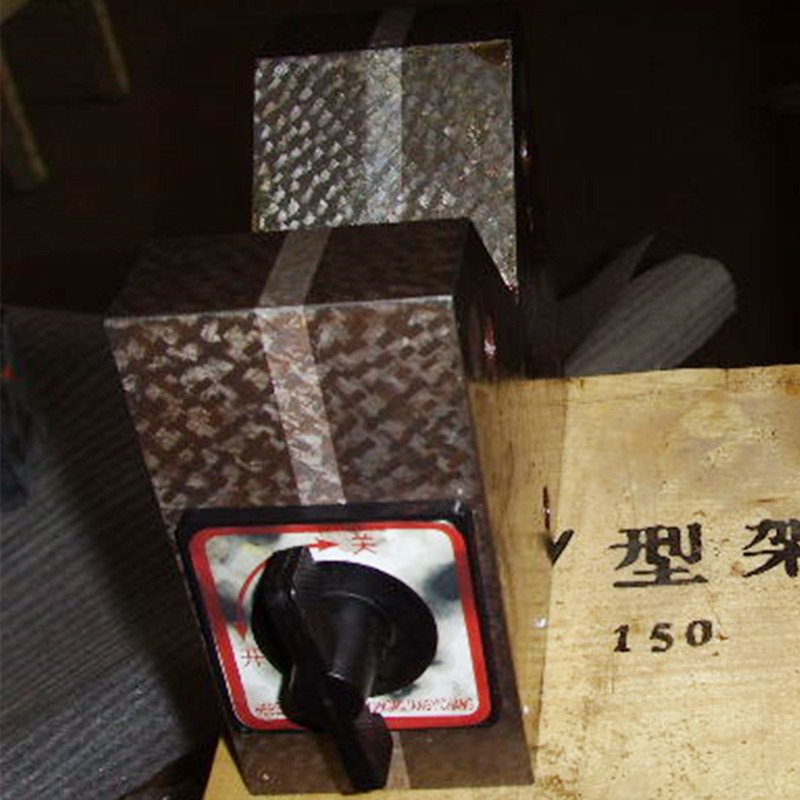
V-Block Designs for Efficient Machining Applications
V-Blocks for Machining An In-Depth Overview In the world of precision machining, the importance of e
Versatile Workbench for Efficient Welding and Metalworking Projects
The Importance of Welding Tables in Metalworking Welding is a critical process in various industries
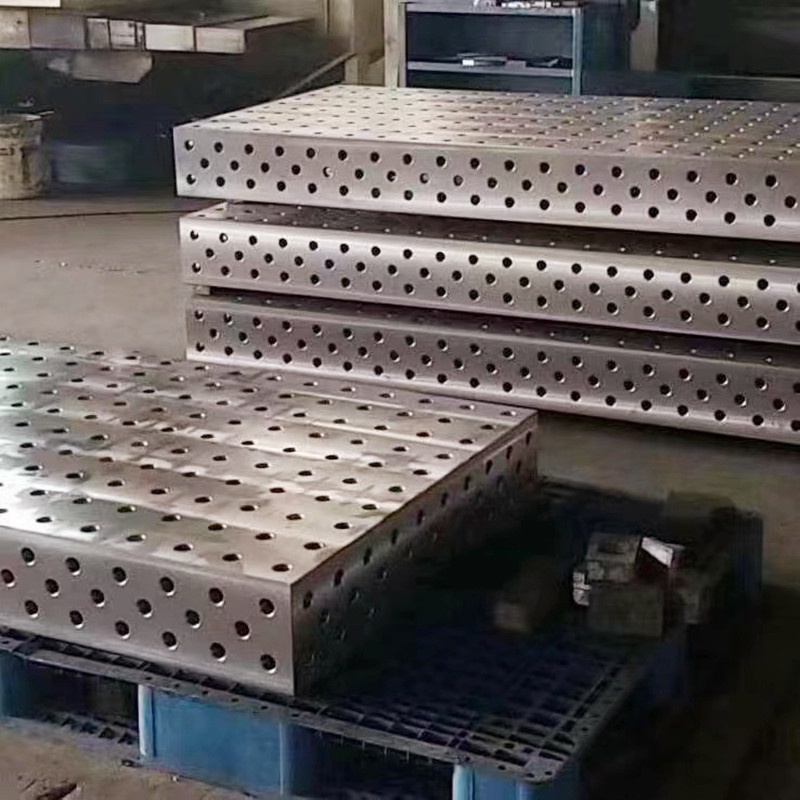
Welding Workbench vs. Standard Workbench_ Key Differences
When it comes to workshop equipment, the choice between a welding workbench and a standard workbench
 English